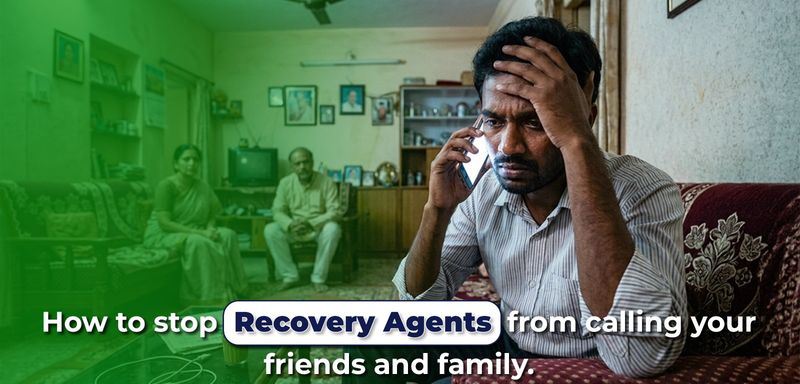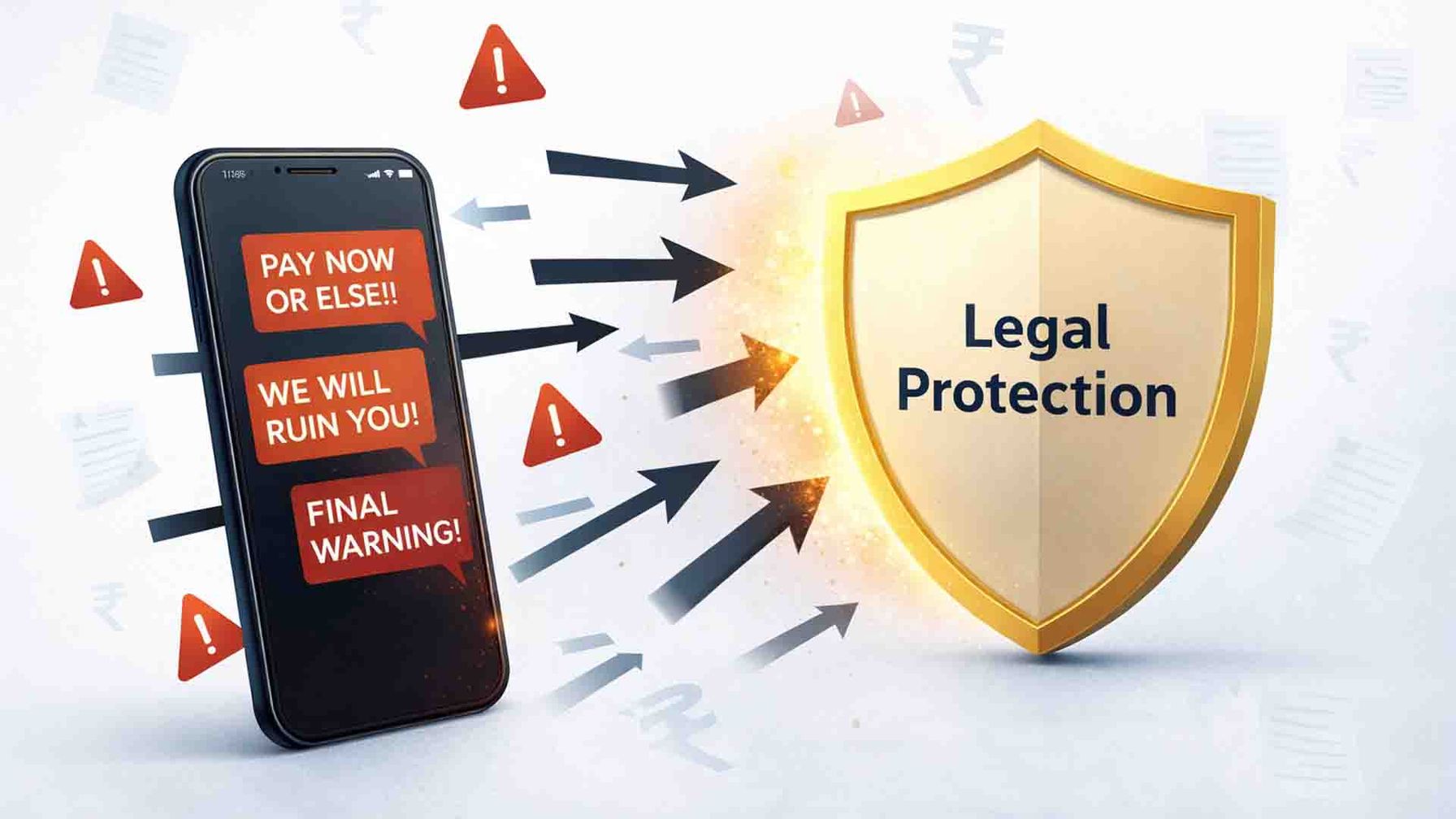
Receiving threatening messages from recovery agents can be deeply stressful. Many borrowers facing financial difficulty already feel emotional pressure, and repeated calls or aggressive messages can make the situation worse.
If you are wondering how to legally stop threatening messages from recovery agents, it is important to understand that borrowers have rights. Handling the situation calmly and in an informed manner often makes a significant difference.
This guide explains practical steps you can consider while staying within legal boundaries.
Why Do Recovery Agents Send Threatening Messages?
Recovery agents are usually appointed when loan repayments are overdue. While lenders may attempt to recover outstanding dues, communication is expected to follow certain professional and regulatory standards.
However, in some cases:
- Messages may become intimidating
- Calls may feel excessive
- Personal threats may be implied
- Family members may be contacted unnecessarily
It is important to remember that recovery efforts should not cross into harassment.
Understanding Your Position as a Borrower
Being unable to repay a loan does not remove your rights as a borrower. Financial hardship can happen due to job changes, medical situations, business losses, or unexpected expenses.
Even during repayment delays:
- Communication should remain respectful
- Privacy should be maintained
- Harassment is not justified
Knowing this helps reduce panic and allows you to respond strategically.
Practical Steps to Stop Threatening Messages
1. Do Not React Emotionally
Threatening messages often create fear. Reacting aggressively or responding impulsively can escalate matters. Calm communication is usually more effective.
2. Preserve All Communication Records
Keep screenshots of messages, call logs, and any written communication. Documentation can help if the matter needs to be formally addressed.
3. Communicate in Writing
Instead of engaging in repeated phone calls, consider shifting communication to written form. Written communication creates clarity and reduces misunderstandings.
You may politely request that future communication remain professional and within reasonable limits.
4. Understand Applicable Guidelines
Regulatory frameworks in India outline expected conduct for recovery agents. These guidelines generally emphasise respectful behaviour and proper communication practices.
Awareness of these guidelines strengthens your position.
5. Avoid Sharing Sensitive Information
If communication feels suspicious or aggressive, do not share personal details, OTPs, banking passwords, or unrelated documents.
Protecting personal data is essential.
6. Explore Structured Debt Resolution
If repayment is genuinely difficult, structured discussion or settlement awareness may help reduce ongoing pressure.
Some borrowers seek guidance to:
- Clarify outstanding amounts
- Negotiate repayment terms
- Reduce communication stress
- Prevent escalation
Structured communication often reduces hostile interaction.
What You Should Avoid
- Ignoring all communication completely
- Responding with threats
- Making verbal commitments you cannot fulfil
- Sharing confidential information
- Relying on informal advice without verification
A balanced and informed approach usually works better than extreme reactions.
When Should You Seek Guidance?
If threatening messages continue or feel overwhelming, some individuals consider seeking professional guidance. Guidance may help in:
- Understanding legal rights
- Responding appropriately
- Documenting harassment
- Exploring resolution options
Seeking clarity is not a sign of weakness. It reflects responsible handling of a difficult situation.
Emotional Impact of Recovery Harassment
Constant threatening messages can:
- Affect mental peace
- Disrupt sleep
- Create anxiety within the family
- Increase financial stress
Addressing the issue early often prevents emotional escalation.
Role of Responsible Debt Management
Preventing future harassment also involves reviewing overall debt management. This may include:
- Reviewing total liabilities
- Avoiding additional borrowing under pressure
- Planning realistic repayment strategies
- Improving financial awareness
Proactive planning reduces the likelihood of repeated recovery pressure.
Conclusion
Threatening messages from recovery agents can feel intimidating, but panic rarely solves the situation. Understanding your rights, documenting communication, maintaining calm responses, and seeking structured support when needed can help you manage the situation more effectively.
Loan repayment challenges can happen to anyone. Handling them responsibly and within legal boundaries protects both your dignity and your financial stability.
If you are facing continued harassment and need structured support, Expertt.org offers guidance to help borrowers handle recovery-related concerns responsibly.