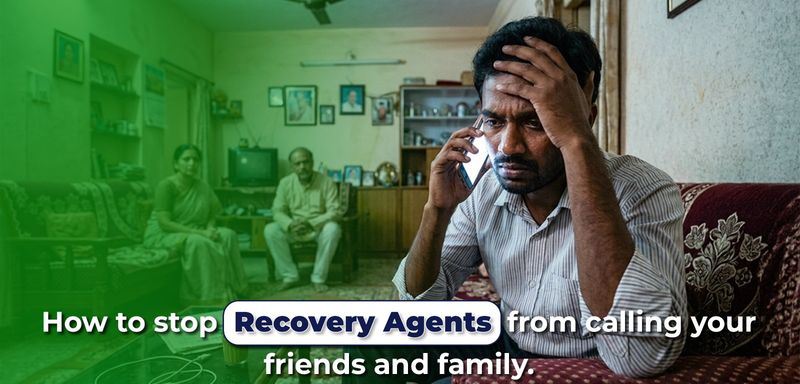
Receiving calls or messages from someone claiming to be a recovery agent can be intimidating. For borrowers already dealing with financial stress, such communication often creates panic. However, not every person claiming to be a recovery agent is genuine.
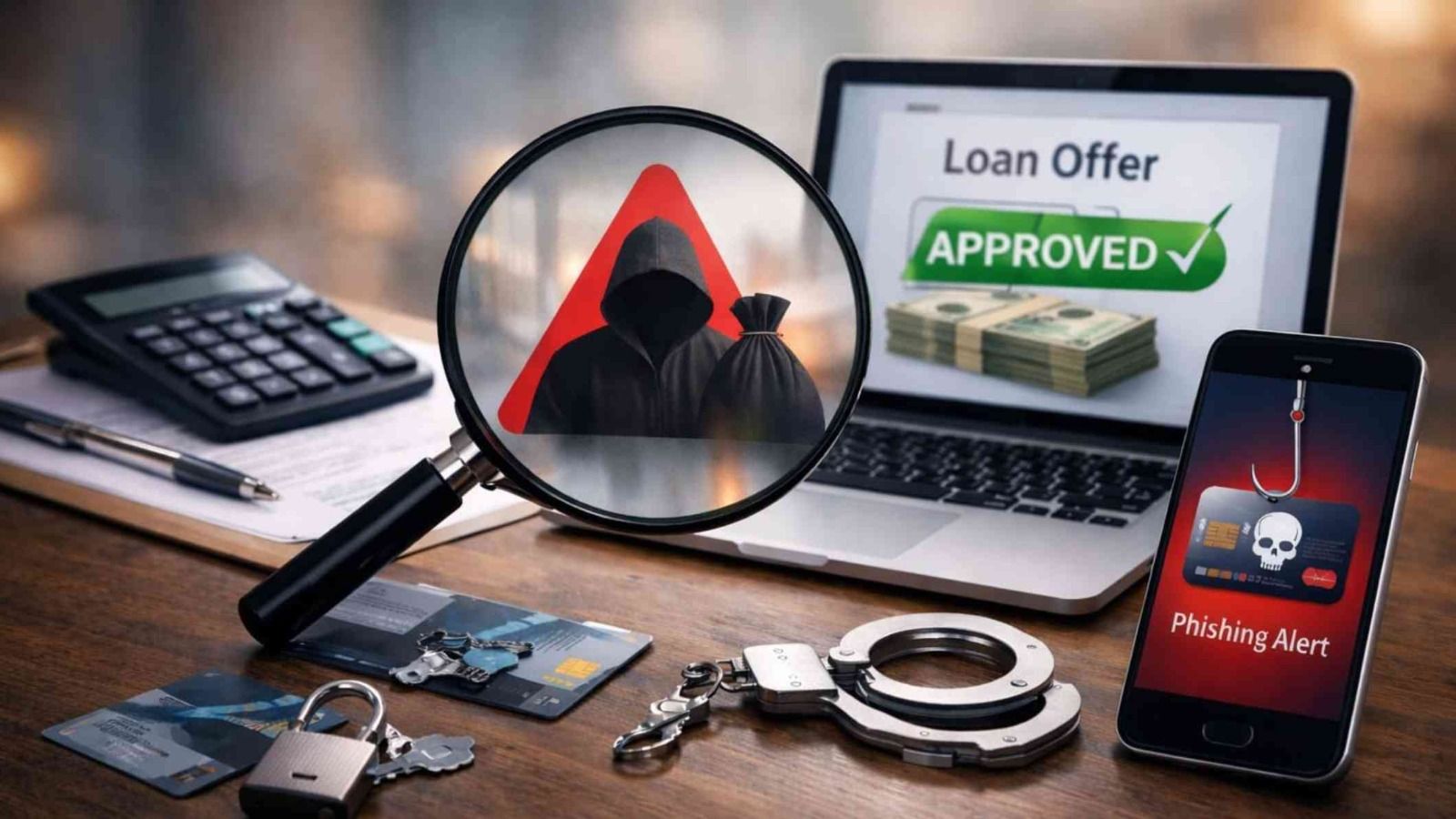
In recent years, instances of fake recovery agents attempting to extort money or intimidate borrowers have raised concerns across India. Knowing how to identify fake recovery agents and report them responsibly can protect you from unnecessary harassment and fraud.
This guide explains warning signs and practical precautions in a calm and clear manner.
Who Are Legitimate Recovery Agents?
Recovery agents are typically authorised representatives appointed by lenders to communicate regarding overdue payments. They are expected to follow professional standards and operate within regulatory guidelines.
Legitimate recovery communication generally includes: Clear identification
Reference to your specific loan account
Professional tone
Documented communication
However, when these elements are missing, caution is necessary.
Warning Signs of Fake Recovery Agents
- Refusal to Provide Proper Identification
A genuine representative should be able to clearly identify: The lending institution
Their designation
Official contact details
If the person avoids providing verifiable information, treat it as a warning sign.
- Demanding Immediate Payment Through Unofficial Channels
Fraudsters may insist on payment through personal accounts, digital wallets, or unknown platforms. Genuine lenders usually follow structured payment channels.
Unusual urgency combined with unclear payment instructions often indicates fraud.
- Threats of Arrest or Legal Action Without Documentation
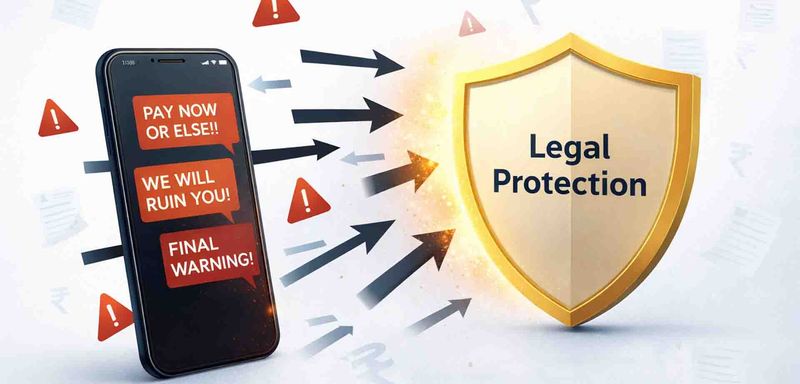
Fake agents often use aggressive language to create fear. They may claim immediate legal consequences without providing any formal notice.
While overdue loans can involve legal processes, these typically follow structured procedures, not instant threats over informal calls.
- Contacting Family Members or Colleagues Excessively
Harassment tactics such as contacting unrelated individuals without proper context can indicate suspicious activity.
Respect for borrower privacy is an important consideration.
- Inconsistent Loan Information
If the caller cannot clearly explain: The exact loan amount
The lender’s name
Loan account details
There may be reason to doubt authenticity.
How to Verify a Recovery Agent
Before responding to any demand: Contact your lender directly using the official website details
Cross-check whether the agent is authorised
Avoid relying solely on caller-provided information
Verification reduces the risk of falling into a scam.
Steps to Take If You Suspect a Fake Recovery Agent
- Do Not Make Immediate Payments
Avoid transferring money until you confirm authenticity through official channels.
- Preserve Evidence
Keep records of: Call logs
Messages
Payment requests
Screenshots
Documentation helps if formal reporting becomes necessary.
- Avoid Sharing Sensitive Information
Never share OTPs, banking passwords, card details, or unrelated personal information during suspicious communication.
- Report Through Appropriate Channels
If fraud is suspected, you may consider reporting the matter through: Your bank or lender’s grievance redressal system
Cybercrime reporting portals
Local law enforcement if required
Taking structured action can help prevent further harm.
Emotional Impact of Fake Recovery Harassment
Fake recovery calls can: Increase anxiety
Create confusion
Damage personal confidence
Strain family relationships
Responding calmly and verifying information reduces emotional stress.
Difference Between Genuine Recovery and Fraud
It is important not to assume that every recovery attempt is fraudulent. At the same time, blind trust is risky.
The key difference usually lies in: Transparency
Professional conduct
Proper documentation
Official verification
Balanced awareness protects borrowers from both scams and misunderstandings.
When to Seek Support
If harassment continues or communication feels threatening, some borrowers explore structured guidance to understand their options. Guidance may help clarify: Whether communication is legitimate
Appropriate next steps
Ways to reduce ongoing stress
Support focuses on clarity and responsible handling, not conflict.
If you are facing continued recovery-related harassment and need structured assistance, Expertt.org provides borrower-focused support to help manage such concerns responsibly.
Conclusion
Fake recovery agents rely on fear, urgency, and confusion. Staying calm, verifying information carefully, and avoiding impulsive decisions can significantly reduce risk.
Financial challenges can happen to anyone. Protecting your personal information, maintaining documentation, and understanding your rights are practical steps toward safeguarding yourself from recovery fraud.
Awareness remains your strongest protection.