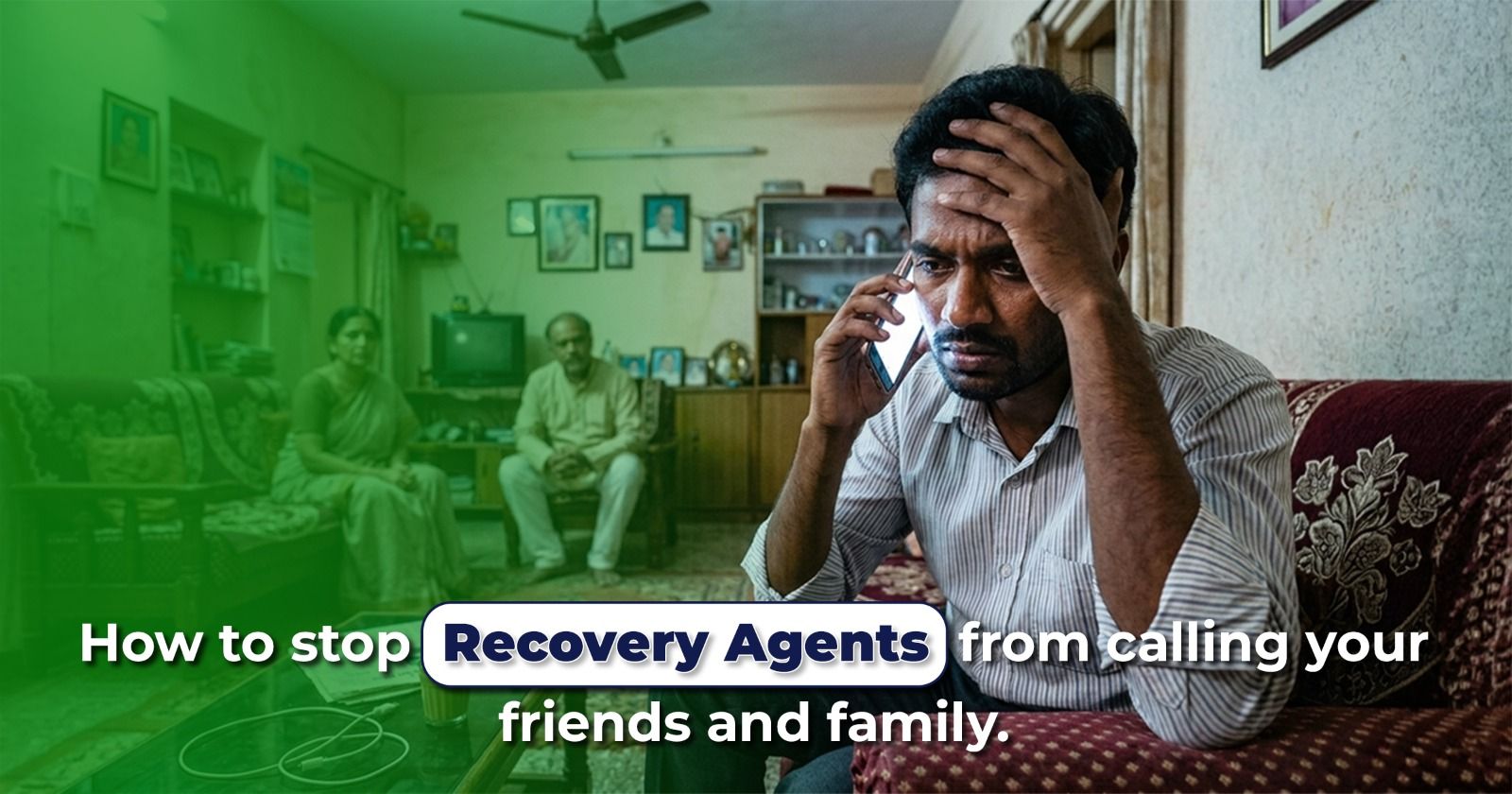
Dealing with loan or credit card repayment stress is already difficult. But when recovery agents start calling your friends, relatives, or colleagues, it can feel overwhelming and deeply personal.
Many people go through this situation silently, unsure of what they can do or how to respond. If you’re facing something similar, it’s important to know that there may be ways to handle this more calmly and strategically.
Let’s talk about it in a practical, real-life way.
Why Do Recovery Agents Contact Others?
In some cases, lenders or recovery teams may try to reach out through alternate contact numbers if they are unable to connect with you directly.
This could happen when:
Calls to your number are missed or unanswered
Contact details were shared earlier during loan applications
There is a delay in repayment
However, when this starts affecting your personal relationships, it can create emotional stress and discomfort.
Is This Situation Common?
Many individuals dealing with loan repayment issues report similar experiences.
While the approach taken by recovery agents may vary, the impact often feels the same:
Embarrassment in front of family or colleagues
Anxiety about phone calls
Constant mental pressure
Understanding how to respond can help you regain a sense of control.
Practical Steps You Can Consider
There may not be a one-step solution, but certain actions can help manage the situation better.
1. Stay Calm and Avoid Panic
It’s natural to feel stressed, but reacting emotionally may not improve the situation. Try to approach the issue with clarity.
2. Communicate Clearly (If Possible)
If you feel comfortable, you may try to:
Inform the recovery agent about your preferred mode of communication
Request them to contact you directly instead of others
Clear communication sometimes helps set boundaries.
3. Review What Information Was Shared
Sometimes, contact details of references or relatives are provided during loan applications.
Understanding what was shared earlier may help you:
Know why others are being contacted
Take steps to manage further communication
4. Keep a Record of Calls
Maintaining a simple record of calls or messages can be useful.
This may include:
Dates and timing of calls
Nature of communication
Numbers used
Such records may help if you decide to seek guidance later.
5. Inform Your Close Contacts
If calls are already happening, you may consider informing close family or friends in advance.
This can:
Reduce confusion
Help them understand the situation
Avoid unnecessary panic
When the Situation Feels Like Harassment
Sometimes, repeated calls or involvement of third parties may feel excessive or stressful.
In such cases, people often start exploring support options to handle the situation more professionally.
How Support Services May Help
If managing everything alone becomes difficult, some individuals consider professional assistance.
Depending on your situation, support services may help with:
Communicating with lenders on your behalf
Exploring loan or credit card settlement options
Structuring a manageable repayment approach
Addressing recovery-related stress
These services aim to reduce pressure and help you move towards a more stable financial situation.
The Financial Side of the Situation
Recovery-related stress is often linked to underlying financial pressure.
You might be dealing with:
Multiple EMIs
Credit card dues
Unexpected expenses
Instead of ignoring the problem, gradually working towards a solution, whether through planning or guidance, can make things more manageable over time.
Final Thoughts
Recovery agent calls to friends and family can feel intrusive, but you’re not alone in facing this.
While every situation is different, a balanced approach may help:
Stay informed
Communicate calmly
Explore support if needed
Handling both the emotional and financial aspects together can make the situation feel less overwhelming.