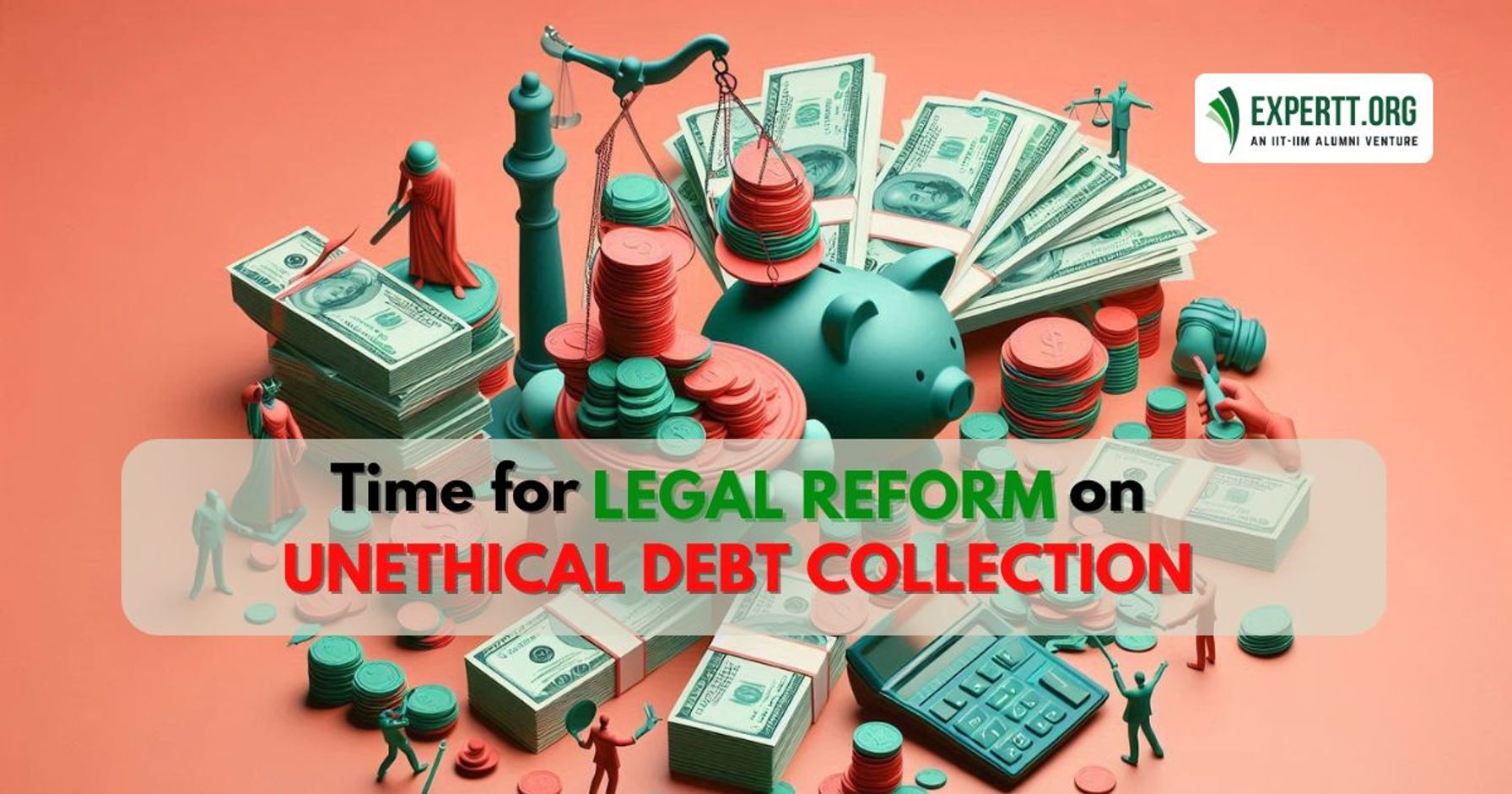
The brutal methods used by debt collectors conceal a dark reality beneath the beautiful exterior of India’s economic expansion. Unethical recovery procedures have forced many borrowers to the verge of bankruptcy, leaving them stuck in a never-ending cycle of dread and desperation.
Understand Your Rights: Case Studies
The predicament of Mumbai resident Amit Kumar, who settled his loan but is nevertheless harassed by debt collectors, serves as a reminder of the human cost associated with aggressive debt recovery. Sadly, his story—which was covered by the Free Press Journal in 2021—is not exceptional. Numerous others are going through similar struggles. The worrisome data on suicide rates associated with bankruptcy comes from the National Crime Records Bureau (NCRB). The Reserve Bank of India (RBI) has attempted to control debt recovery by issuing guidelines in 2008, but it is still unclear if these regulations are being followed or are only written down. Every number stands for a life lost and the sorrow families feel.
However, let’s stand back and consider the following: why is a complete law against unethical recovery procedures necessary? Isn’t the existing judicial system sufficient?
The fundamentals of loans and borrowing are outlined in the Indian Contract Act (ICA) of 1872. There is also consumer protection legislation, banking codes, and RBI directives, but they don’t provide a long-term solution. The SARFAESI Act of 2002 primarily targets institutional lenders, but it also provides a framework for recovering non-performing assets. A thorough, purpose-built statute that tackles the complexities and difficulties of modern debt recovery procedures is what we need.
Allow us to look at a few global instances. Since 1977, the Fair Debt Collection Practices Act (FDCPA) has governed debt collection in the United States. The Financial Conduct Authority (FCA) in the UK imposes stringent guidelines on debt collection. Although the Consumer Protection Act (CPA) of 2019 provides some protection, the unique problems that beset borrowers require a separate law.
Such a statute must specify communication restrictions, cyber-age harassment (including the improper use of personal information), data privacy, and how to hold lenders accountable for the actions of their recovery agents, known as lender accountability. Effective protection for borrowers from the dirty tactics of unethical debt recovery can only come from a comprehensive statute that addresses these challenges.
At this point, you may be asking yourself, “What about the lenders? Are they not entitled to get their money back?” Naturally, of course! While maintaining legal debt recovery, a balanced statute would guarantee that it is carried out in a moral and humane manner. Take a look at a few significant rulings that highlight the necessity of this kind of law.
The Supreme Court stated that banks cannot use force to reclaim loans in ICICI Bank Ltd. v. Prakash Kaur, emphasizing that the rule of law must always take precedence in situations involving debt recovery. The Madras High Court has categorically denounced debt collectors’ use of coercive measures. The Lourdu Mari v. Indian Overseas Bank court decision highlights the critical need for more strict rules. But passing new legislation is just the beginning. Enforcing laws effectively is the challenge.
Conclusion
A specialized regulatory agency is necessary to control debt recovery efficiently. This monitoring organization needs to be able to investigate complaints, levy heavy fines, and even take away the licenses of repeat violators. Another essential element is financial literacy. Educating borrowers about their rights is essential to stop exploitation.
Lastly, it’s critical to understand that financial hardship is frequently associated with broader economic problems. A comprehensive strategy for debt recovery regulation should address the underlying causes of indebtedness, such as agricultural distress. Every loan and every call from collection agencies represent a real individual who may be under a lot of stress.
Strong legislation prohibiting unethical recovery procedures is desperately needed; this is not only required by law but also morally. It’s time to put the welfare of people above profit.