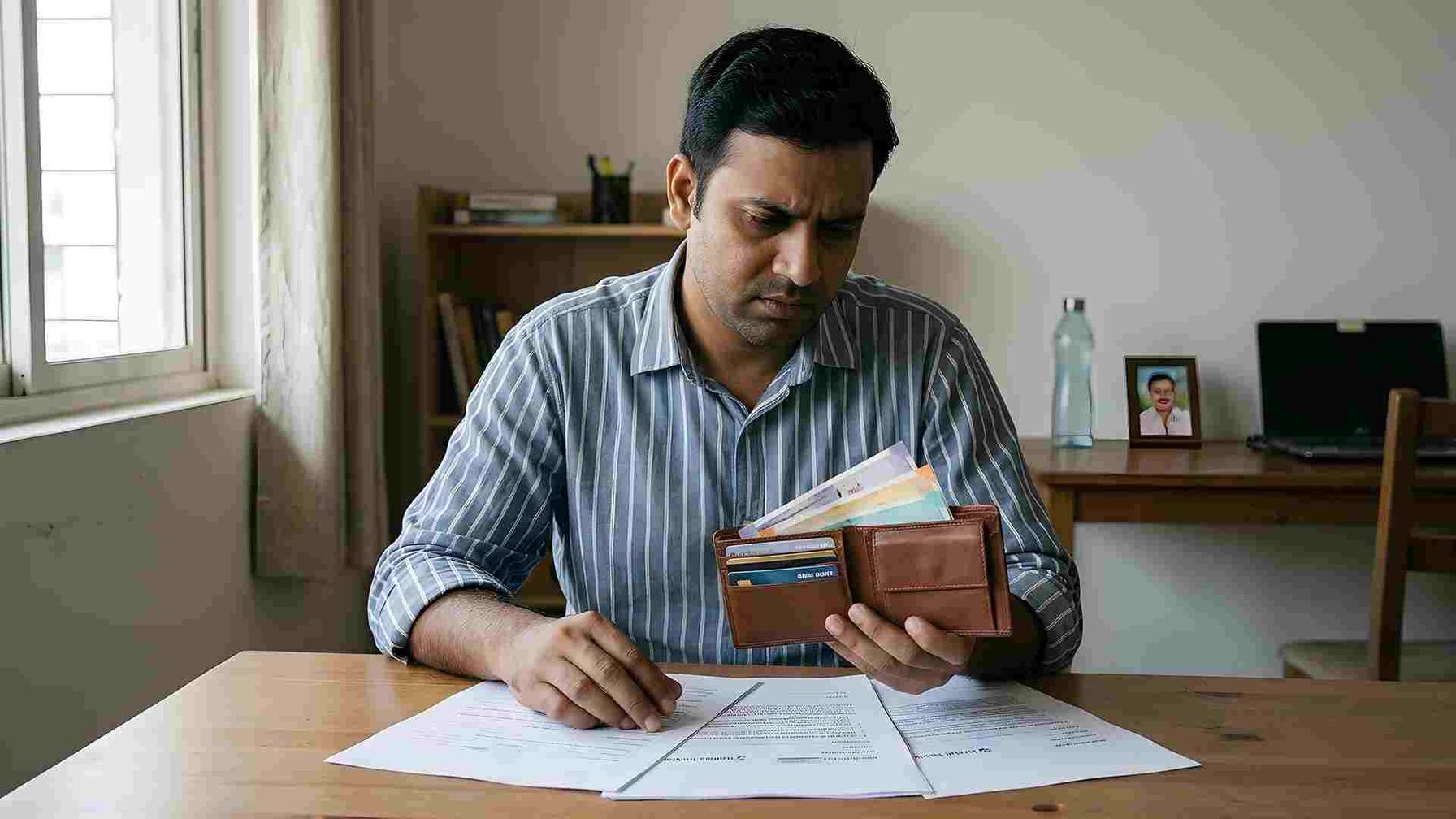
When financial pressure builds up, many people look for quick solutions. One common thought is: “What if I take another loan to close the current one?”
At first, this may seem like a practical way to reduce stress. However, taking a new loan to repay an old one can sometimes create a cycle that becomes harder to manage over time.
Understanding why this approach can be risky helps you make more stable financial decisions.
Why does this situation happen
People usually consider a new loan when:
- EMIs feel difficult to manage
- Income has changed or reduced
- Credit card dues are increasing
- Multiple repayments are overlapping
In such moments, a new loan may feel like immediate relief. But without proper planning, it may only shift the burden instead of solving it.
The Risk of Entering a Debt Cycle
Taking a new loan to repay an existing one can sometimes lead to a repeating pattern.
Instead of reducing debt, it may:
- Replace one obligation with another
- Extend repayment timelines
- Increase overall financial pressure
Over time, this cycle can become difficult to break, especially if income remains unchanged.
Temporary Relief vs Long-Term Impact
A new loan may provide short-term relief by clearing immediate dues. However, the underlying issue — repayment capacity — may remain the same.
If the root cause is not addressed, the pressure may return in a different form.
Financial decisions that feel helpful in the short term may not always support long-term stability.
Impact on Financial Discipline
Repeated borrowing can affect how you manage money over time. It may:
- Reduce budgeting discipline
- Encourage reliance on credit
- Delay financial planning
Building financial stability usually requires consistent habits rather than repeated borrowing.
Possible Effect on Credit Behaviour
Frequent borrowing and overlapping loans may influence how lenders view your financial profile.
While every situation is different, maintaining a balanced and stable repayment pattern often reflects better financial management.
Better Alternatives to Consider
Instead of taking a new loan immediately, consider exploring other approaches.
1. Review Your Financial Situation Clearly
Start by listing:
- All existing loans
- Monthly obligations
- Available income
Clarity often helps identify manageable solutions.
2. Adjust Your Budget
Small changes in spending habits may create room for better repayment planning.
Reducing unnecessary expenses, even gradually, can ease financial pressure.
3. Communicate with Lenders
If repayment is becoming difficult, early communication may help clarify available options.
Ignoring the situation often increases stress.
4. Learn from Financial Patterns
Understanding ++financial mistakes to avoid in 2026++ can help you identify habits that may be contributing to debt pressure.
5. Follow Structured Debt Management Practices
Adopting debt management tips for your 40s and 50s can support more stable financial planning, especially when managing family and financial responsibilities.
Emotional Side of Financial Decisions
Financial stress often leads to quick decisions. Taking a new loan may feel like a solution, but it can also be driven by urgency rather than clarity.
Taking time to evaluate options calmly can prevent long-term complications.
When to Seek Guidance
If managing multiple loans feels overwhelming, seeking structured guidance may help.
Some individuals look for support to:
- Understand repayment options
- Reduce financial stress
- Plan better financial strategies
If you are facing ongoing loan pressure, platforms like ++expertt.org++ provide borrower-focused support to help manage such situations responsibly.
Common Mistakes to Avoid
- Taking loans without a full evaluation
- Ignoring existing repayment capacity
- Relying on credit for regular expenses
- Delaying communication with lenders
- Acting under pressure or panic
Avoiding these mistakes helps protect financial stability.
Conclusion
Taking a new loan to repay an old one may feel like a quick solution, but it can sometimes create a cycle that becomes harder to manage.
Instead of shifting the burden, focusing on clarity, budgeting, and responsible financial habits can lead to more stable outcomes.
Financial challenges are part of life, but thoughtful decisions often make the biggest difference.